Winter is gradually drawing closer, and along with it the darker days and unpredictable weather conditions. All of which means that if your winter travel plans include driving, it is worth putting a bit of advance preparation in now to ensure that you keep yourself and your family safe on those winter journeys.
So in this article we take a quick look at:
- How to get your car winter-ready.
- Tips for driving in winter conditions.
- Checklist for your winter journey.
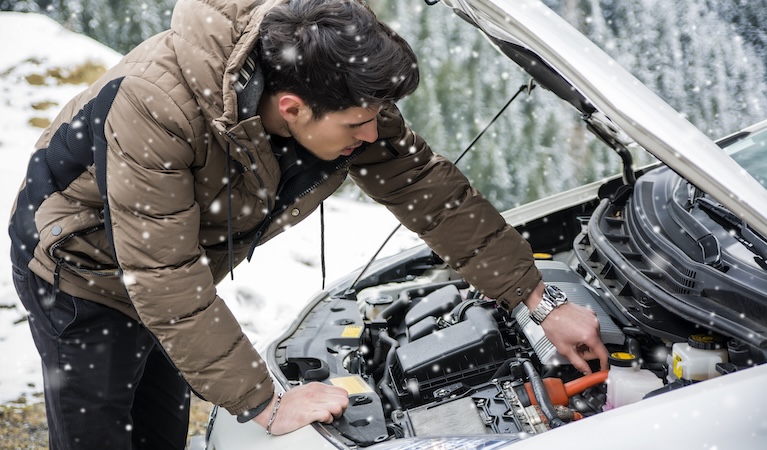
How to get your car winter-ready
The RAC has a very easy way to remember the essential checks to do on your car before winter arrives. It uses the acronym FORCES, which covers six key things to pay attention to:
However long or short your journey, make sure that you have enough fuel before you set out. Or if you have an electric car, make sure you are fully charged. If you are stuck in traffic you may not be able to pull off easily to refuel or recharge. It’s also important to bear in mind that if you are in heavy traffic conditions, your car will use more fuel or battery charge if you are constantly stopping and starting. So don’t rely on being able to refill or recharge en route but top up to your maximum fuel/charge level before you go.
The correct type and level of oil is essential to keep your engine in tip top condition. If you are low on oil this could either cause a breakdown or lead to engine damage. So remember to check your oil level and top up as needed. If you don’t know how to do this, or are unsure of the type of oil you need, either check your user manual or call into a local garage for advice.
Tyres can so easily be neglected but for safety reasons they do need to be inflated to the correct pressure so that they can give the best grip, particularly in wet or icy conditions. Legally, they also need to have a minimum of 1.6mm of tread, but during winter it’s advisable to have 3mm for additional gripping power.
Also check that your windscreen wiper blades are free of wear and tear so that they are capable of clearing the windscreen of rain and snow effectively. It’s very easy for wiper blades to freeze, so check this before you set off and use either de-icer or warm water to free them if necessary. It’s worth covering your windscreen and wiper blades with a blanket or sheet when parked – particularly overnight – to protect them from the worst of the ice and snow.
Engine coolant is a mixture of antifreeze and water that helps to prevent your engine from overheating in summer and freezing in winter. It needs to be approximately a 50/50 mix of water and anti-freeze in order for it to operate to optimum effect.
Most newer cars have sealed systems that don’t need topping up, but it’s worth double checking to make sure, especially before a long journey. So take time to check your coolant levels when the engine is cold and if it does need topping up, either check in your user manual or drop into a local garage.
It’s essential to take care of your battery, particularly in winter when there are more potential drains on its power. If your car is struggling to start, get your battery checked by a garage – particularly if it is over four years old and could be nearing the end of its life.
Also make sure you check your car’s headlights and brake lights to see if they are working correctly, and are free from dirt, grime and snow. It’s essential that you can see properly and that you can be seen, so take time to replace any faulty bulbs or blown fuses so that everything is in working order.
Visibility can be a major problem in winter driving. There is so much more dirt, salt and splashback on the roads, so it’s important to keep your windscreen as clean and clear as you can. Make sure your windscreen washer fluid is fully topped up and includes a high concentration of good quality screenwash. Your screenwash should include an additive that makes it effective down to at least -15 degrees celsius. This prevents it from freezing in the tank.
Tips for driving in winter conditions
Driving in winter conditions requires not just extra vigilance on the roads, but a bit of know-how about how to handle specific seasonal challenges you may face. It’s important to be as prepared as you can be in order to ensure the safety not only of ourselves and our passengers but also other road users.
Here are a few tips for before you set off, as you are driving, and if you get stuck in snow or ice:
Things to do before you set off
- Allow extra time for adverse weather conditions;
- Stick to major roads as much as possible, as they are more likely to be cleared and gritted;
- De-ice the car fully;
- Ensure a full fuel tank / battery charge;
- Wear comfortable, dry shoes that will not slip on the pedals.
- Reduce your speed to well below normal;
- Leave up to ten times the normal amount of stopping distance between you and the car in front ;
- Thinking carefully about use of gears; for example moving off in second gear and using low gears when going downhill can reduce wheel slip;
- When you accelerate or brake, do this as smoothly and slowly as possible;
- Use dipped headlights and – in low visibility – fog lights;
- Do not panic if you get into a skid: just take your foot off the accelerator and steer gently into the skid. Don’t take your hands off the steering wheel or slam on the brakes.
If you get stuck in snow or ice
- Keep calm. If you panic and try to drive out, this could make the situation worse;
- Don’t move your wheels from side to side as this could either get you more stuck or overwork your clutch and engine;
- Use a snow shovel or whatever you have to dig out snow from under your tyres and around your car exhaust;.
- Try to add traction under your tyres, for example snow chains, traction tracks, or rubber mats. Any of these can give the tyres additional purchase which can help them move.
- If nothing works, keep everyone warm inside the car and call your breakdown service.
Checklist for your winter journey
We have already mentioned various items throughout this article that it is useful to have with you in the car for a winter journey. Here’s a useful checklist to follow:
Items for the car
- Ice scraper
- De-icer
- Anti-freeze
- Jump leads
- Tow rope
- Reflective safety triangle
- Snow shovel
- Snow chains or traction tracks
Items for you and your family
- Thermal blankets or sleeping bags
- Thermos flask, bottled water and snacks
- Phone and in-car charger
- Torch with spare batteries
- Dry clothing
- First aid kit
- High visibility jacket
We hope that this article has provided some helpful advice about preparing for winter car journeys, and keeping you and your family safe on them.
If you’re exploring ways to manage the cost of car maintenance, remember that Loans 2 Go offer a range of personal loans which may be able to help. Full details, including terms and conditions are available on our website. Borrowing is optional and may not be suitable for everyone, so always consider your circumstances and affordability before applying.
For more useful tips on family living, visit us here again soon at Loans 2 Go.

 The best value ways to get your groceries delivered